My World of Traditional Chinese Medicine

Let's explore a new horizon in Complementary Medicine

Friday, 14 November 2025

A TCM Approach to Post-Chemotherapy Fatigue and Neuropathy: Clinical Observations and Patient Feedback


Kit Li


Chemotherapy (1) can affect many parts of the body, so side effects differ from person to person.  Common physical symptoms include fatigue, nausea, vomiting, loss of appetite, changes in taste, hair loss, and skin or nail changes.  Many people also develop Peripheral Neuropathy (2), causing tingling, burning, or numbness in the hands and feet.

It can also reduce blood cell levels, which may lead to Anaemia (feeling tired or shortness of breath), a higher risk of infections, and easy bruising or bleeding.

Digestive symptoms such diarrhoea, constipation, mouth sores, and dry mouth are also frequent.  Emotionally and mentally, some may experience low mood, anxiety, or poor memory and lack of concentration.

Other possible side effects include dizziness, changes in menstrual cycles or fertility, and changes in Kidney, Liver or Heart function, depending on the specific drugs used.

Most of my patients at Florence Nightingale Hospice Charity (3) are experiencing the post-cancer symptoms described above, and the most common issues they face are persistent fatigue and neuropathy in hands and feet.

From a TCM perspective, these presentations are often associated with patterns such as Liver-Qi stagnation, Qi and Blood deficiency, and Spleen and Kidney deficiency. These imbalances can lead to reduced nourishment of the limbs, impaired circulation, and diminished vitality, which manifest clinically as fatigue, numbness, tingling, or weakness in the extremities.

TCM Treatment Approach (4):

  1. Acupuncture once a week for 30 minutes
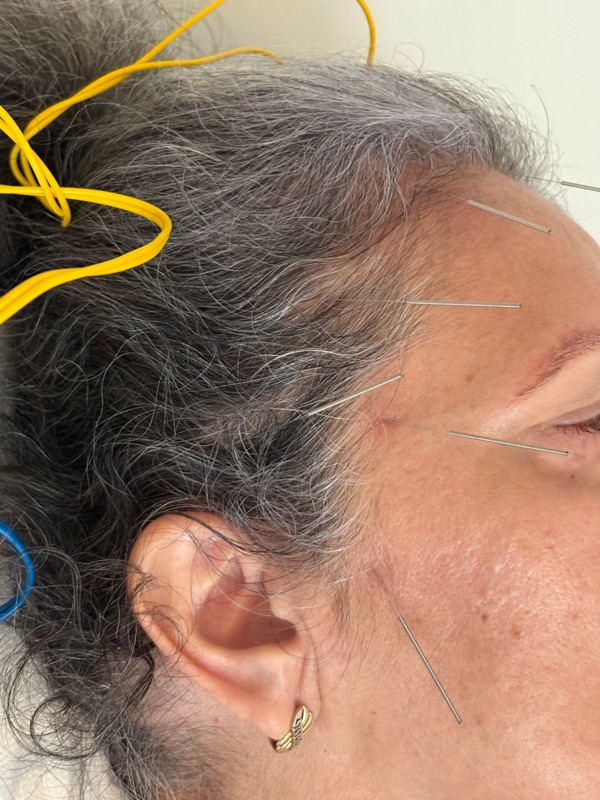
  2. Scalp acupuncture targeting key areas such as the Sensory Area, Central Area, FMSA, and others, combined with selected points on the Du Mai or Ren Mai using the Dao-qi technique
  3. Abdominal acupuncture using specific points along the Ren Mai

Each individual responds differently depending on their constitution. Some patients may benefit from three to four sessions as a standard course.

Here are my two patients' positive feedbacks:

Miss FW:

'I wasn't sure what to expect having, never had acupuncture before, I went in with an open-mind.  Meeting Kit for the first time was an absolute pleasure.  Kit was able to easily work out my areas of problem.  It was like she was reading my mind almost.  After my first session, my bowel movement issues I had from bowel cancer had been resolved.  Kit did tell me that the neuropathy may not be fully reversed as I have had it for a long period of time, however, it brought back a twitch and aware of issues I had just been living with and getting on with.  Neck pain, mood, hormonal issues and circulation.  All these have at worst seen a significant improvement and best completely gone away.  This is my 5th session, I have 3 more to go and am blown away by Kit's work.  Thank you!

Mrs GS:

'I thank Butterfly House for letting me see Kit, I never knew of the treatment but with Kit: kind, consolidate, professional knowledge, and understanding of my post-chemo difficulties, she pointed me and treated my symptoms in a connect way to make me feel better, gain self-confidence and get back to my normal happy self.  Thank you Kit.  Love from GS.'


Post-cancer symptoms such as fatigue and neuropathy can significantly impact quality of life. Combining conventional understanding of chemotherapy side effects with a TCM perspective allows for a more holistic approach to patient care. Acupuncture and individualized TCM treatments can help restore balance, improve circulation, and support physical and emotional well-being. Patient experiences demonstrate that even after challenging treatments, meaningful improvements in vitality, comfort, and overall quality of life are achievable.


References:

1) Sign effects of Chemotherapy 
https://www.macmillan.org.uk/cancer-information-and-support/treatment/types-of-treatment/chemotherapy/side-effects-of-chemotherapy

2) Peripheral Neuropathy
https://www.nhs.uk/conditions/peripheral-neuropathy/

3) Florence Nightingale Hospice Charity
https://fnhospice.org.uk/hospice-care/therapies-rehab/

4) Acupuncture
https://www.cancerresearchuk.org/about-cancer/treatment/complementary-alternative-therapies/individual-therapies/acupuncture

Acupuncture in cancer care
https://pmc.ncbi.nlm.nih.gov/articles/PMC10940387/

Effects of acupuncture-related intervention on chemotherapy-induced peripheral neuropathy and quality of life: An umbrella review
Effects of acupuncture-related intervention on chemotherapy-induced peripheral neuropathy and quality of life: An umbrella review - ScienceDirect


- November 14, 2025 No comments:
Email ThisBlogThis!Share to XShare to FacebookShare to Pinterest
Labels: chemotherapy, Fatigue and neuropathy, patients's positive feedbacks, Peripheral Neuropathy

Thursday, 6 November 2025

Sudden Temperature Drop Triggering Neck Pain, Dizziness, and Wind-Stroke: A TCM Perspective

Kit Li


I remembered one Friday morning during my clinical placement at the A&E department of the Integrated Hospital of Traditional Chinese and Western Medicine, Southern Medical University (1), the waiting area was crowded and busy. Approximately two-fifths of the patients presented with Neck Pain,  Dizziness, or Minor Stroke  (2). This surge in cases followed an overnight temperature drop in Guangzhou, from 29c to 20c.

Many of these patients had a history of Hypertension or previous Stroke, and some also suffered from underlying chronic health conditions. They exhibited symptoms such as Bell's Palsy  (3), deviation of the mouth and eyes, numbness, stiff neck, dizziness, and tinnitus (4) . According to TCM theory, these manifestations arise from Internal Wind , which develops due to disharmony within the body.

Pathogenesis in TCM

In TCM, there are six types of external pathogenic factors, which knowns as the Six Evils: Wind, Cold, Summer Heat, Dampness, Dryness, and Fire. Among these, Wind is considered the primary and leading pathogenic factor.

When external Wind invades the body, it obstructs the meridians, leading to neck stiffness. As the obstruction deepens, Qi and Blood circulation become impaired, resulting in dizziness. Prolonged stagnation may generate Internal Wind, and if left untreated, this can culminate in Wind-Stroke.

Characteristics of Wind Evil

Wind is Yang in nature, mobile, changeable, and rising upward. It is also known as 'The Leader of a Hundred Diseases'.

Typical characteristics include: 

  1. Sudden onset and rapid change
  2. Migrating symptoms (pain or numbness that moves from place to place)
  3. Tendency to affect the upper part of the body and the superficial layer of the skin.

Common disorders associated with Wind:

  1. Common cold, allergies, dizziness, tremors, Wind-Stroke (Internal Wind)
  2. Skin conditions such as itching or hives

Wind's tendency: It easily combines with other pathogenic factors, forming patterns like Wind-Cold or Wind-Heat.

Internal Wind Mechanism

Internal Wind tends to attack the upper body, especially the head and neck, obstructing the meridians and disturbing the clear orifices (the brain, eyes and ears). In severe cases, when Yin and Yang collapse, symptoms such as loss of consciousness and paralysis occur, typical of Wind-Stroke.

Common internal causes include:

  1. Liver Yang Rising or Liver Wind stirring due to Yin-deficiency
  2. Phlegm-Fire obstructing the channels
  3. Qi and Blood-deficiency, allowing Wind to invade the meridians

Neck Pain

In TCM, neck pain arises from Qi and Blood stagnation in the meridians, especially those of the Taiyang channels (Bladder and Small Intestine), and sometimes the Shaoyang channels (Gallbladder and Sanjiao).

Possible causes include:

  1. External invasion of Wind-Cold or Wind-Damp, which blocks the flow of Qi, leading to stiffness and restricted movement.
  2. Internal causes, such as Liver Qi-stagnation, Blood Stasis, or Kidney-deficiency (often seen in chronic cases with weak bones or tendons).
  3. Emotional tension or stress, which constrains Liver Qi and affects the Gallbladder and Shaoyang channels running along the sides of the neck.

Dizziness

In TCM, dizziness isn't viewed as just a symptom of the inner ear or blood pressure, but rather as a manifestation of internal imbalance, particularly involving the Liver, Spleen, Kidney and the movement of Qi, Blood and Body Fluids. It occurs when “Clear Yang not ascending, Turbid Yin not descending”. The main underlying causes include:

  1. Liver Yang-Rising or Liver-Wind stirring (most common)
  2. Phlegm-Damp obstructing the clear orifices of the head
  3. Qi and Blood Deficiency, failing to nourish the brain
  4. Kidney Essence-Deficiency, leaving the marrow and brain undernourished

Interconnection between Wind-Stroke, Neck Pain and Dizziness

These three conditions are closely interconnected. Neck pain and dizziness can be viewed as early warning signs of Internal Wind formation. When similar pathological patterns, such as Liver Yang Rising, Phlegm Obstruction, or Qi Stagnation, intensify or suddenly flare up, they may progress to Wind-Stroke.

Shared mechanisms include:

  1. Liver involvement: The Liver governs Wind and regulates of Qi flow. When Liver Qi stagnates or Liver Yang rises, internal Wind develops, manifesting as neck stiffness, dizziness, tremors, or stroke-like symptoms.
  2. Wind pathogen progression: External Wind first invades the Taiyang or Shaoyang channels of the head and neck. If not expelled, it can transform into Internal Wind, initially causing neck pain, then dizziness, and in severe cases, Wind-Stroke.
  3. Qi, Blood, and Phlegm obstruction: When channels in the head and neck are blocked, Qi movement becomes impaired, leading to dizziness, headache, stiffness, and sometimes facial deviation or paralysis.
  4. Yang Rising and Yin-deficiency: With again, stress, or chronic imbalance, Yin fails to anchor Yang, resulting in Liver Yang Rising and Wind stirring. This may manifest as dizziness, hypertension, and an increased risk of Wind-Stroke.

Summary

  1. Neck pain often indicates meridian blockage, particularly in the Taiyang or Shaoyang channels.
  2. Dizziness reflects an imbalance between clear Yang and turbid Yin, often related to Liver or Phlegm disturbances.
  3. Wind-Stroke represents the acute and severe stage of these pathological developments, when Internal Wind suddenly rises to disturb the brain and channels.

Treatment Approach

  1. Scalp acupuncture combined with electro-acupuncture (5) , applied to key functional areas such as the Sensory Area, Head Area and Chorea-Tremor Area..etc, along with selected points on the Du or Ren meridians, using the Dao-qi technique.
  2. During the first two sessions, body acupoints on the Hand and Foot Yangming meridians are applied to the stronger side of the body to enhance Qi and Blood circulation, promoting recovery of the affected side. Needles are retained for 30 minutes, followed by stimulation of Shu-points on specific Yin meridians, following Professor Zhou's Twelve Meridian Method (6).
  3. Moxibustion is applied on the affected side to warm the meridians and promote the flow of Qi and Blood.
  4. Chinese herbal prescriptions should be tailored to the patient's individual constitution and pattern differentiation. Professional consultation with a qualified TCM practitioner is essential for accurate diagnosis and safe, effective treatment.

This clinical experience deepened my understanding of how sudden climatic changes can provoke Internal Wind and related disorders. It also reinforced the importance of early intervention and the integrative power of TCM in restoring balance and preventing more serious outcomes like Wind-Stroke.


References: 

1) Integrated Hospital of Traditional Chinese and Western Medicine of Southern Medical University: https://www.nfzxy.com/

2) Minor Stroke

https://pmc.ncbi.nlm.nih.gov/articles/PMC9616153/

3) Bell's Palsy

https://www.mdpi.com/2813-7914/1/3/24

4) Tinnitus

https://pubmed.ncbi.nlm.nih.gov/39331935/

5) Early intervention with electrical stimulation reduces neural damage after stroke in non-human primates: https://www.nature.com/articles/s41467-025-61948-y

6) Professor Zhou Guoping, Chief Physician, Professor, Medical Doctor, Doctoral Supervisor, serves as the Director of the Acupuncture, Moxibustion, and Rehabilitation Department at the Integrated Traditional Chinese and Western Medicine Hospital of Southern Medical University. He is recognized as a "Lingnan Acupuncture Master" and a "Renowned Doctor of Yangcheng."

- November 06, 2025 No comments:
Email ThisBlogThis!Share to XShare to FacebookShare to Pinterest
Labels: Bell's Palsy, Chinese Herbal Medicine, Dizziness, electro-acupuncture, Minor Stroke, Moxibustion, Neck pain, Scalp Acupuncture, tinnitus, Wind

Sunday, 26 October 2025

My unexpected Clinical Placement in Guangzhou 2025

Kit Li 


During my first visit to Integrated Hospital of Traditional Chinese and Western Medicine of Southern Medical University (1), with the invaluable support and assistance of Vice President Huang, I had the opportunity to engage in learning and discussions with numerous experts and professors.

Over five consecutive days of observation in the Outpatient Department, I had the honour of shadowing Professor Zhou (2), an expert in stroke treatment, to observe diagnosis and treatment processes and discuss the significant of ‘Twelve Meridians Therapy’ for stroke patients. I also learned ‘Pain Management Methods’ from Director, Dr Yang and Dr Wang, and observed the ‘Autohemaotherapy’ (3) and ‘Catgut Embedding’ (4) techniques performed by Deputy Director, Dr Chen and Dr Zhan.

At the Rehabilitation Centre, I exchanged insights with Dr Chen and met many diligent second- and third-year students. Subsequently, I visited Head Nurse Professor Ding (5), and Director, Dr Song of the Oncology Centre. The traditional Chinese medicine equipment and methods employed there were highly enlightening. 

Thanks to the assistant of Professor Tang and Dr Chen, a meeting with Professor Wang (6) was arranged at short notice, allowing me to learn from his ‘Jin’s Three Needle Therapy’ (7) acupuncture technique.

My heartfelt thanks go to every mentor and friend who accompanied and cared for me during these five days, I look forward to the possibility of reuniting in the future.


References:

1) Integrated Hospital of Traditional Chinese and Western Medicine of Southern Medical University: https://www.nfzxy.com/

2) Professor Zhou Guoping, Chief Physician, Professor, Medical Doctor, Doctoral Supervisor, serves as the Director of the Acupuncture, Moxibustion, and Rehabilitation Department at the Integrated Traditional Chinese and Western Medicine Hospital of Southern Medical University. He is recognized as a "Lingnan Acupuncture Master" and a "Renowned Doctor of Yangcheng."

3) ‘Autohemaotherapy’ evolved from aquatic acupuncture therapy and was first documented in Li Shizhen's Compendium of Materia Medica during the Ming Dynasty.   Also known as Meridian Blood Injection Therapy (i.e., Autologous Blood Acupoint Injection Therapy), this method involves injecting a patient's own venous blood into specific acupoints to achieve therapeutic effects. It primarily intervenes in diseases through immunoregulatory mechanisms. By combining the effects of acupuncture, autologous blood, and acupoint stimulation, it achieves comprehensive efficacy. Notable for its minimal yet precise acupoint selection, reliable outcomes, safety, and simplicity, it is particularly suitable for treating immune system disorders and chronic refractory diseases.

4) 'Catgut Embedding Acupuncture' is a form of Traditional Chinese Medicine therapy that uses "threads instead of needles." It involves embedding absorbable catgut or biological protein threads into specific acupoints. Through the continuous stimulation of the acupoints by the threads, a long-term therapeutic effect is achieved. This method can be applied for weight loss, body contouring, chronic pain, gynecological diseases, and more, serving as an extension of traditional acupuncture. This technique is more convenient than traditional acupuncture, as the effects can last for approximately one to two weeks, thereby reducing the frequency of medical visits.

5) Professor Ding Lingying, Head Nurse of the Second Oncology Ward Nursing Unit, Associate Chief Nurse, National Backbone Talent in Traditional Chinese Medicine Nursing Intravenous Therapy Specialist Nurse of Guangdong Province. Specialized in oncology nursing, chemotherapy care, psychological nursing for cancer patients, biotherapy nursing, minimally invasive and photodynamic therapy nursing, PICC catheterization, Sedinger technique, and related nursing care.

6) Professor Wang Shengxu, a native of Hubei Province, holds a Medical Doctorate and serves as a professor and doctoral supervisor at the School of Traditional Chinese Medicine, Southern Medical University. He is a council member of the China Association of Acupuncture and Moxibustion and Vice President of the Guangdong Provincial Acupuncture Association. He is primarily engaged in the teaching of acupuncture and clinical research. As a key member of the national-level teaching team for the integrated Chinese and Western medicine internal medicine program, he has contributed to the development of university-level elite courses and promoted the Problem-Based Learning (PBL) teaching methodology.

7) 'Jin's Three-Needle Therapy' is a clinical acupuncture school developed by Professor Jin Rui, characterized by the selection of three sets of acupoints in each treatment session, from which it derives its name. This therapy employs standardized acupoint prescriptions and needling techniques to form an efficient diagnostic and treatment system, applicable for neurological disorders, motor dysfunction, and ENT conditions.

- October 26, 2025 No comments:
Email ThisBlogThis!Share to XShare to FacebookShare to Pinterest
Labels: Autohemaotherapy, Catgut Embedding Acupuncture, Clinical Placement, Ding Lingying, Jin's Three-Needle Therapy, Wang Shengxu, Zhou Guoping

Monday, 20 October 2025

Every cloud has a silver lining

Kit Li


My last visit to Beijing was in 2008, the year of the Olympics. At that time, the lifestyle in China was quite old-fashioned. After almost 18 years, I had the chance to visit Guangzhou by myself, and visiting Southern Medical University Hospital of Integrated Traditional Chinese and Western Medicine (1) for Clinical Placement and shadowing a couple of well-known Professors at A&E department.  

The preparation for this Guangzhou trip was hectic. Initially, I was supposed to go to Nanjing to join my professor, Dr. Wang, and his team for a study tour at Nanjing University to observe and learn.  However, due to complications with my visa application, my plans changed. Perhaps it was meant to be. 

I spent a weekend exploring Guangzhou and realised that the rapid growth and transformation of the quality of life in China have been phenomenal and unexpected. Generally speaking, in every city, you can see that structures like buildings and train stations, and even traffic flow, are systematically well-managed.  To see and feel such a transformation left me speechless.

On Sunday morning, I saw the Canton Tower, went to Yongqing Fang, but my favorite spot was Baohua Road. Its little alleys have this amazing nostalgic atmosphere. 

I didn't even expect to spend the whole afternoon strolling leisurely through Dongshan, feeling so content that I almost forgot to leave. Along the way, I tried a freshly baked scallion pancake, fragrant with scallions and crispy on the outside. Paired with a cup of herbal tea that clears heat and detoxifies, it was just perfect.


This unexpected trip to Guangzhou has been a profound lesson.  I've learned that a country's true soul isn't just in its modern skylines, but in the quiet, simple moments, like the smell of a street-side scallion pancake or the bitter taste of Chinese herbal tea.

My journey started with a changed plan, but it has given me a wonderful insight.  I'm currently here,  learning not only about the advanced medical knowledge from the hospital, but also a culture that beautifully balances an exciting future with a rich and warm past.


References:

1) Southern Medical University Hospital of Integrated Traditional Chinese and Western Medicine : https://www.nfzxy.com/

2) Guangzhou Travel Guide: Guangzhou Travel Guide: Canton Transportation, Attractions


- October 20, 2025 No comments:
Email ThisBlogThis!Share to XShare to FacebookShare to Pinterest
Labels: Baohua Road, Canton Tower, Dongshan, Guangzhou, Southern Medical University Hospital of Integrated Traditional Chinese and Western Medicine, Yongqing Fang

Friday, 17 October 2025

Autumn's Bounty: A Healing Lotus Root Soup

Kit Li


I just passed by the wet market in Sham Shui Po, Hong Kong. The vegetable stall owner was very proud of her products and told me that one of the most popular seasonal vegetables is lotus root.


Lotus roots come from the lotus plant, a perennial aquatic plant that grows in the mud of shallow ponds, marshes, and flooded fields. They are native to Asia, Australia, New Guinea, and parts of the Middle East. The root is actually the rhizome, or subterranean stem, of the lotus flower.  China is considered one of the places where the first known harvests occurred centuries ago.


The nature of lotus root depends on how it's prepared: raw lotus root is cooling and helps clear heat and stop bleeding, while cooked lotus root is warm-neutral and strengthens the spleen and stomach. Both forms are associated with entering the Liver, Lung, and Stomach meridians. 


Raw lotus root 

Nature: Cooling 

Taste: Sweet 

Actions: Clears heat, cools the blood, stops bleeding (especially from the lungs), and removes blood stagnation. 


Cooked lotus root 

Nature: Warm-neutral 

Actions: Strengthens the spleen and stomach, relieves diarrhea, and nourishes the blood. 


Other properties: it benefits for Liver, Lung, and Stomach, also can help clear heat and toxins from the intestines and stomach. 


Why is Lotus Root considered one of the best seasonal foods in Autumn?


In TCM perspective, Lotus Roots is an autumn food because it is a "white" food that nourishes the lungs and the large intestine, which are associated with the Metal element and the dryness of autumn. As a moistening food, it helps combat autumn's drying effects, which can lead to symptoms like dry skin, coughs, and sore throats. The lotus root is a versatile, moistening food that helps hydrate the body and supports the Lungs.  


Lotus Root, Carrot, Corn, and Lotus Seed Vegetarian Soup

Portions: 4 Servings
Prep Time: 15 minutes
Cook Time: 30 minutes


This delicious vegetarian soup combines the nutritional benefits of its core ingredients: lotus root for strengthening the spleen and boosting energy, carrot for improving eyesight and supporting digestion, corn for a touch of natural sweetness, and lotus seeds for moisturizing the lungs and nourishing the heart.


Ingredients:

  • 1 lb (450g) Lotus Root, peeled and sliced

  • 2 large Carrots, peeled and cut into chunks

  • 1 fresh Corn on the Cob, cut into 4 pieces

  • 1/2 cup peeled Chestnuts

  • 1/3 cup dried Lotus Seeds, soaked for 10 minutes

  • 1/4 cup raw Cashew Nuts

  • 2L Water 

Instructions:


Place all the prepared ingredients and add 2L of water into a pressure cooker, with the soup setting (High) for 30 minutes.


This nourishing brew is a perfect embrace for a cool autumn day, directly addressing the season's dryness as described by TCM.


Precautions:

  • For those with a cold constitution: Lotus root is considered cooling in nature. Excessive consumption may cause abdominal pain or diarrhoea. It is advisable to eat it cooked.
  • For diabetics: Lotus root is relatively high in starch. Diabetics should be mindful of their portion size to avoid affecting blood sugar levels.
  • For individuals with digestive ulcers or those prone to bloating: The high fibre content in lotus root may exacerbate bloating or discomfort if eaten in large quantities.


- October 17, 2025 No comments:
Email ThisBlogThis!Share to XShare to FacebookShare to Pinterest
Labels: Autumn, clearing heat, cooling, Liver, Lotus Root, Lotus Seeds, Lung, Soup, Spleen and Stomach, Stomach meridians

Thursday, 2 October 2025

Huang Jing: The Humble Treasure of Qi and Yin Nourishment

Kit Li


In my earlier blog, I introduced Huang Qi (Astragalus) as one of the key herbs for promoting and replenishing Qi (Huang Qi and Tonifying Herbs for Strengthening Vitality) [1]

Today, I would like to share another treasured herb for nourishing Qi and Yin in Traditional Chinese Medicine: Huang Jing (黄精, Polygonatum Sibiricum).  

There is an old Chinese saying: 'RenShen is for the wealthy, but Huang Jing is for the poor.'  This reflects how Huang Jing has long been valued as a humble yet powerful tonic herb, accessible to ordinary people, while carrying remarkable benefits for nourishing both body and spirit.

Huang Jing (黄精, Polygonatum Sibiricum) [2, 3].  In ancient times, Huang Jing was seen as a powerful food for health and longevity.  Some even said that taking it regularly could help one 'live like an immortal'.

Properties: sweet, neutral

Channels: Spleen, Lung and Kidney

Functions: 

1) Tonifies Qi and Yin: Nourishes both Qi (vital energy) and Yin (body fluids and essence), making it a rare herb that strengthens without being too heating or too cloying.

2) Strengthens the Spleen and Stomach: Helps with fatigue, poor appetite, and weakness.  Used when someone feels depleted but doesn’t want overly heavy tonics like ginseng.

3) Moistens the Lungs: Eases dry cough, thirst, and lung Yin deficiency.  Good for people with a dry throat, weak voice, or lingering dry cough.

4) Nourishes the Kidneys and Essence (Jing): Traditionally believed to prolong life, support fertility, and restore vitality.  Helps with low back weakness, dizziness, or premature aging signs.

In ancient times, the people of the countryside often gathered Huang Jing from the deep mountains.  Whenever one was weary or weakened, its root were steamed and taken with wine, or simmered with chicken to restore strength.

Among the elders, there was a severed method of preparation: to steam and sun-dried the herb nine times in succession.  This practice, known as 'Nine Steamed and Nine Sun-Dried' (九蒸九晒), was said to refine its essence and elevate its virtue, until it rivaled the nourishing power of Ginseng itself.

Key research in supporting Huang Jing's effects:

1) Improves learning/memory, enhances brain function, delays aging. [4]

2) Regulates glucose and lipid metabolism, lowers blood glucose, reduces cholesterol/triglycerides. [5]

3) Immune modulation, lifting immunosuppression. [6]

4) Anti-oxidant & anti-inflammatory effects. [7]


Four-Treasure Vitality Tea: (四宝养生茶)

This tea is designed to tonify Qi, nourish Yin, strengthen the immunity, and enrich the blood, especially suitable for people with Qi and Blood deficiency, fatigue, or lowered immunity.  It is often used to enhance overall vitality, support the immune system, and protect cardiovascular health. 

Ingredients:

1) Huang Qi (黄芪, Astragalus): 10g
2) Huang Jing ( 黄精, Polygonatum sibiricum): 10g (cut into pieces)
3) American Ginseng (西洋参): 3–5 g (sliced)
4) Goji Berries (枸杞子): 10g

Preparation Method:

1) Rinse the herbs lightly.
2) Boil the above ingredients with 1000ml water.
3) Bring to a boil, then reduce to a low simmer for 30 minutes.
4) Ready to drink.

Precautions:

1) Not suitable for acute infections (cold/flu with fever), excessive dampness/phlegm, or if you have a strong heat constitution.
2) Pregnant or nursing women, or people on medication (especially for blood sugar, blood pressure, or immune conditions), should consult a qualified TCM practitioner before use.


References:


1) Huang Qi and Tonifying Herbs for Strengthening Vitality

Huang Qi and Tonifying Herbs for Strengthening Vitality


2) Huang Jing, from medicine to healthy food and diet

https://www.researchgate.net/publication/370967131_Huangjing-From_medicine_to_healthy_food_and_diet


3) Herbal textual research on Chinese medicine "Huangjing" (Polygonati Rhizoma)and some enlightenments

[Herbal textual research on Chinese medicine "Huangjing" (Polygonati Rhizoma)and some enlightenments] - PubMed


4) Polygonatum sibiricum ameliorated cognitive impairment of naturally aging rats through BDNF–TrkB signaling pathway

https://onlinelibrary.wiley.com/doi/10.1111/jfbc.14510?utm_source=chatgpt.com


5) Hypoglycemic and Hypolipidemic Activity of Polygonatum sibiricum Fermented with Lactobacillus brevis YM 1301 in Diabetic C57BL/6 Mice

https://pubmed.ncbi.nlm.nih.gov/34280031/


6) Characterization and Immunological Activities of Polysaccharides from Polygonatum sibiricum

https://pubmed.ncbi.nlm.nih.gov/32475918/


7) Polygonatum sibiricum polysaccharide alleviates inflammatory cytokines and promotes glucose uptake in high‑glucose‑ and high‑insulin‑induced 3T3‑L1 adipocytes by promoting Nrf2 expression

https://pubmed.ncbi.nlm.nih.gov/31485663/


- October 02, 2025 No comments:
Email ThisBlogThis!Share to XShare to FacebookShare to Pinterest
Labels: Four-Treasure Vitality Tea, Huang Jing, Renshen

Saturday, 20 September 2025

Case-Based Insights from Brain Acupuncture Internship Observations

Kit Li


As part of the Brain Acupuncture Internship Program, three full days of observation in Dr. Wang’s clinic are obligatory.

Last Saturday, I visited Dr Wang’s clinic to begin fulfilling my three-day observation requirement. A total of 11 patients were treated, some of whom have been long-standing patients, receiving brain acupuncture with Dr. Wang for over two to eight years.

I was fortunate to observe a wide range of cases, including three patients with Motor Neurone Disease, two with Anxiety Disorder, as well as others suffering from dementia, chronic depression, infertility, epilepsy, and insomnia...etc. Two patients had even travelled from Northern Ireland and Manchester. No matter the distance, their determination to see Dr. Wang was the most striking factor behind their commitment to treatment.

It has been a truly valuable experience that has deepened my understanding of Brain Acupuncture. What impressed me most during my observation was not only the variety of conditions treated, but also the patients’ responses, each of them left with a smile and a sense of positivity. They all share one strong belief: Brain Acupuncture has the power to change their lives.


Today was my second day of observation at Dr. Wang’s clinic.

I gained more insight into general practice, as every practitioner has their own unique approach. I also observed the use of electro-acupuncture, along with an advanced technique in abdominal acupuncture. Although I was already trained in this at LACA and have confidently applied it in my own practice, Dr. Wang’s teaching refreshed my perspective.

In terms of patients, we saw a few under 50s who had suffered from post-stroke syndrome and brain injuries. Most of them had delayed treatment and missed the crucial stage for appropriate care due to misdiagnosis in the early stages.

Just a thought: ‘Health is not something we can take for granted.’ As practitioners, we should strive to keep ourselves healthy and well, both mentally and physically, otherwise, we may not be able to help others.

I’m looking forward to my next observation.


Reflection on My 3-Day Internship at Dr. Wang’s Clinic:


I feel very grateful for the opportunity to observe patients at Dr. Wang’s clinic, especially those with neurological disorders I had not encountered before.

Many patients had missed the best time for treatment due to early misdiagnosis, which made me realise how crucial early and accurate care is.

Working with Dr. Wang showed me how effective brain acupuncture can be. I also learned a lot from observing his interaction with patients, the trust and connection between them were truly inspiring.

I gained new insights into different treatment styles and observed techniques such as electro-acupuncture and abdominal acupuncture. These experiences deepened my understanding and refreshed my approach to practice.

Our discussions on treatment approaches were particularly insightful and further strengthened my commitment to advancing my knowledge in this field. We also discussed how to treat post-stroke and Parkinson’s syndromes, which I found very inspiring.

Thank you Dr Wang.


- September 20, 2025 No comments:
Email ThisBlogThis!Share to XShare to FacebookShare to Pinterest
Labels: Anxiety Disorder, Brain Acupuncture internship, Chronic depression, dementia, epilepsy, infertility, insomnia, Motor Neurone Disease
Newer Posts Older Posts Home
Subscribe to: Posts (Atom)

Returning to Shenzhen After Three Decades: A Journey of Discovery and Professional Inspiration

  Kit Li It was hard to believe that my last visit to Shenzhen had been nearly three decades ago, in 1996. I can barely remember what the ci...

  • Official Announcement: Pre-Publication Release of Discover the Science Behind Traditional Chinese Medicine Dec2025
    Kit Li I’m pleased to share that today I’ve received the pre-publication copy of Dr. TieJun Tang’s first book, Discover the Science  behind ...
  • Gentle Digestive Support with Hawthorn: A Post-Holiday Reset
      Kit Li As 2025 comes to an end, I believe one of the most common goals for 2026 resolutions will be losing weight . While this goal may fe...
  • A Traditional Chinese Medicine Approach to Menopausal Transition
    Kit Li A month ago, a female patient at 54 years-old who had been using Hormones Replacement Therapy (HRT) (1)  patches for over 5 years to ...
  • Home

About Me

My photo
Kit Li
Experienced Brain (Scalp) Acupuncturist and Traditional Chinese Medicine (TCM) Practitioner specialising in holistic and integrative therapies.
View my complete profile

Should you have any further queries, please feel free to contact me at Kit@vitaqiholistic.com

Should you have any further queries, please feel free to contact me at Kit@vitaqiholistic.com

A member of Acupuncture Regulatory Authority (ARA), Jan2026

A member of Acupuncture Regulatory Authority (ARA), Jan2026

A member of CAHMA, Feb2024

A member of CAHMA, Feb2024

SAS UK, Nov2024

SAS UK, Nov2024

CMA UK, Feb2025

CMA UK, Feb2025

Volunteer neuro-acupuncturist at South Bucks Hospice, since July 2025

Volunteer neuro-acupuncturist at South Bucks Hospice, since July 2025

As a qualified volunteer Neuro-acupuncturist at Florence Nightingale Hospice Charity since Nov 2025

As a qualified volunteer Neuro-acupuncturist at Florence Nightingale Hospice Charity since Nov 2025

Total Pageviews

Blog Archive

  • ▼  2026 (31)
    • ▼  July (3)
      • ▼  Jul 29 (1)
        • Returning to Shenzhen After Three Decades: A Journ...
      • ►  Jul 09 (1)
      • ►  Jul 01 (1)
    • ►  June (4)
      • ►  Jun 27 (1)
      • ►  Jun 17 (1)
      • ►  Jun 12 (1)
      • ►  Jun 03 (1)
    • ►  May (4)
      • ►  May 27 (1)
      • ►  May 21 (2)
      • ►  May 05 (1)
    • ►  April (5)
      • ►  Apr 30 (1)
      • ►  Apr 25 (1)
      • ►  Apr 21 (1)
      • ►  Apr 16 (1)
      • ►  Apr 07 (1)
    • ►  March (5)
      • ►  Mar 26 (1)
      • ►  Mar 25 (1)
      • ►  Mar 19 (1)
      • ►  Mar 17 (1)
      • ►  Mar 06 (1)
    • ►  February (5)
      • ►  Feb 26 (1)
      • ►  Feb 25 (1)
      • ►  Feb 19 (1)
      • ►  Feb 09 (1)
      • ►  Feb 04 (1)
    • ►  January (5)
      • ►  Jan 27 (1)
      • ►  Jan 24 (1)
      • ►  Jan 17 (1)
      • ►  Jan 10 (1)
      • ►  Jan 07 (1)
  • ►  2025 (45)
    • ►  December (7)
      • ►  Dec 31 (1)
      • ►  Dec 24 (1)
      • ►  Dec 20 (1)
      • ►  Dec 15 (1)
      • ►  Dec 07 (1)
      • ►  Dec 04 (1)
      • ►  Dec 03 (1)
    • ►  November (3)
      • ►  Nov 25 (1)
      • ►  Nov 14 (1)
      • ►  Nov 06 (1)
    • ►  October (4)
      • ►  Oct 26 (1)
      • ►  Oct 20 (1)
      • ►  Oct 17 (1)
      • ►  Oct 02 (1)
    • ►  September (2)
      • ►  Sept 20 (1)
      • ►  Sept 13 (1)
    • ►  August (4)
      • ►  Aug 27 (1)
      • ►  Aug 24 (1)
      • ►  Aug 16 (1)
      • ►  Aug 15 (1)
    • ►  July (4)
      • ►  Jul 31 (1)
      • ►  Jul 25 (1)
      • ►  Jul 09 (2)
    • ►  June (4)
      • ►  Jun 30 (1)
      • ►  Jun 10 (1)
      • ►  Jun 09 (1)
      • ►  Jun 03 (1)
    • ►  May (2)
      • ►  May 22 (1)
      • ►  May 15 (1)
    • ►  April (6)
      • ►  Apr 29 (1)
      • ►  Apr 18 (1)
      • ►  Apr 15 (1)
      • ►  Apr 12 (1)
      • ►  Apr 05 (1)
      • ►  Apr 03 (1)
    • ►  March (7)
      • ►  Mar 29 (1)
      • ►  Mar 25 (1)
      • ►  Mar 20 (1)
      • ►  Mar 19 (1)
      • ►  Mar 15 (1)
      • ►  Mar 05 (2)
    • ►  February (2)
      • ►  Feb 12 (1)
      • ►  Feb 07 (1)

Labels

  • Abdominal Acupuncture
  • Academy of Scalp Acupuncture
  • acupuncture
  • Acupuncture Department
  • Acupuncture department of Nanfang Hospital
  • Acupuncture Regulatory Authority (ARA)
  • Acupuncture techniques
  • acupuncturist
  • anecdotes
  • anxiety
  • Anxiety Disorder
  • Apple
  • ASA
  • Autohemaotherapy
  • Autumn
  • Ba Zheng San
  • Bai He
  • Bai Zhi
  • Baihuasheshecao
  • Banzhilian
  • Baohua Road
  • basic tongue diagnosis
  • BaZhenSan
  • Bell's Palsy
  • Bereavement
  • Bi Min Gan
  • Bian Que Yin (San Dou Yin)
  • BiMinGan
  • Bitong
  • Black Fungus
  • blood clot
  • blood clots
  • Blood or Qi-stagnation
  • blood stasis
  • Blood thinning
  • Brain Acupuncture internship
  • Brain Acupuncturist
  • Branch
  • Breast cancer
  • Brown Sugar Ginger Water
  • BuYangHuanWu Tang
  • BuYangHuaWu Tang
  • Buzhong Yiqi Tang
  • BuZhongYiQi Tang
  • CAHMA
  • calm the shen
  • cancer
  • cancers
  • CangErZi
  • Canton Tower
  • Catgut Embedding Acupuncture
  • chemotherapy
  • Chenpi
  • Chenpi & Ginger Drink
  • Chestnuts
  • Chinese Herbal Medicine
  • Chinese Herbs
  • Chinese practitioner
  • Chronic depression
  • Chronic Pain Management
  • Chronic Prostatitis
  • Clear Damp-heat from the Lower Jiao
  • clear summer heat
  • clearing heat
  • clearing heat and resolving toxicity
  • clears the channels & softens hardness
  • Clinical Placement
  • CMA
  • Cold
  • confinement
  • consciousness
  • Constipation
  • cooling
  • corn
  • CPR
  • cramping
  • Dampness
  • Dang Shen
  • Danggui
  • Dangshen
  • Dao-qi
  • Daxue
  • dementia
  • Dietary Restrictions in TCM
  • Difficult urination
  • Dimbleby Cancer Care
  • Ding Lingying
  • Discover the Science behind Traditional Chinese Medicine
  • Dizziness
  • Dongshan
  • Dongzhi
  • Dr Deng Tietao
  • Dr Joseph Kwan
  • Dr TJ Tang
  • Dr TJ Wang
  • Dr Ye Liuzhong
  • Dried Chinese Yam
  • Dried Coconut Soup
  • Dried Figs
  • dried ginger
  • DU-26
  • dysmenorrhoea
  • early stage wind cold
  • electro-acupuncture
  • emotional balance
  • Ephraim Kishon
  • epilepsy
  • ErMiaoSan
  • Europe
  • Fa Wu
  • faint
  • Fang feng
  • Fatigue and neuropathy
  • Fengchi
  • fetus
  • First Aid training
  • Five Element theory
  • Five Zang organs
  • Floral Tea
  • Florence Nightingale Hospice Charity (FNHC)
  • Flu
  • FMSA
  • Foot Drop
  • Four-Treasure Vitality Tea
  • Fresh ginger
  • Fried Adzuki Beans
  • Fried Aged Tangerine Peel
  • Fried Coix Seeds
  • Fried Mung Beans
  • Fried Poria
  • Fried Yellow Millet
  • FSN acupuncture
  • Fuling
  • FunLing
  • Gan Cao
  • Geng Nian Kang
  • GengNianKang
  • Ginger & Red Date Tea
  • Ginger with Brown Sugar Tea
  • Goji berries
  • Goji Berries and Chrysanthemum Tea
  • Goji Berries and ShuDiHuang Tea
  • Green tea
  • Guangzhou
  • Guanyuan
  • Gui Pi Tang
  • Guy's Hospital
  • hair growth
  • hand tremors
  • Hawthorn
  • Hay Fever
  • Healthy Teas
  • Heart
  • Heart and Lungs
  • Heat rashes
  • HeTu
  • Hong Kong
  • HRT
  • Huang Jing
  • Huang Qi
  • Huangdi Neijing
  • HuangQi
  • HuangQin
  • Human Science Museum
  • indigestion
  • infertility
  • insomnia
  • Introduction
  • invigorates blood & dispels stasis
  • invisible
  • Ischemic Stroke
  • Ji Kou
  • Jin's Three-Needle Therapy
  • Jing (Essence)
  • Jing Jie
  • JinGui ShenQi Wan
  • Joint Conference Nov2025
  • Ju Hua
  • Jue Ming Zi and Maiya Tea
  • Juyuan Jian
  • Kidney
  • Kidneys
  • King's College
  • Kit Li
  • LACA
  • Lichun
  • life saving
  • Lily Bulbs
  • Liqiu
  • LiuWei DiHuang Wan
  • Liver
  • liver disease
  • Liver Qi-stagnation
  • Lotus Root
  • Lotus seed
  • Lotus Seeds
  • low blood pressure
  • lower back pain
  • Lower Jiao
  • lower-limb oedema
  • Lung
  • Lung-Qi deficiency
  • LuoShu
  • lymphedema
  • Maimendong
  • Malignant
  • Maple Publishers
  • Menopausal symptoms
  • menstrual cycle
  • menstrual pain
  • MG
  • Middle Fu
  • Middle Jiao
  • Minor Stroke
  • mixed symptoms
  • Mo FeiZhi
  • mobility impairments
  • modified YuPingFeng
  • moistens dryness & benefits the intestines
  • Monk Fruit
  • Motor Neurone Disease
  • Moxibustion
  • Mung Beans
  • MyAcu 3-in-1 Far-Infrared Heat Therapy
  • Nanfang hospital
  • nasopharynx
  • nausea
  • Neck pain
  • Neiguan
  • Neuro-acupuncturist
  • neurological conditions
  • no appetite
  • nocturia
  • nourishes blood
  • nourishing lungs
  • nourishing yin soup
  • OPA1 Gene Mutation
  • Ovulation
  • Palpating Methods
  • Panel Discussion
  • pao ganjiang
  • Parkinson's disease
  • Parkinsonism
  • Parkinsonism with OPA1 Mutation
  • patients's positive feedbacks
  • PCOS
  • Peripheral Neuropathy
  • Phlegm
  • Pregnancy
  • Pregnant woman
  • pregnant women
  • Prof Wang Tianjun
  • Prof Yang Lu
  • Prof Ye Liuzhong
  • Professor Pan Li Tao
  • Progesterone
  • Qi-deficiency
  • Qi-stagnation
  • Qi-tonfiying herbs
  • Qing Fei Tang
  • Quail
  • Red Bean and Coix Seed Water
  • regulate Qi
  • regulating the qi
  • ren-mai
  • Renshen
  • Renzhong
  • reproductive
  • resolving dampness
  • Rice-wine red-date chicken soup. Sweet potato ginger soup
  • RN-10 (Xiawan)
  • RN-12
  • RN-17
  • RN-4
  • Root
  • Sanfu Days
  • SangBaiPi
  • SanJiao
  • Sapyen dvanced Home Semen Analysing Kit
  • Scallion Sichuan Pepper Water
  • Scalp Acupuncture
  • Scalp Acupuncturist
  • SEA
  • Seven-Year Cycles in women
  • Shanzhong
  • Shashen
  • Shenghua Tang
  • Shengma and Chaihu
  • ShenMen
  • Shenzhen Second People's Hospital
  • Shudihuang
  • Si Shen Tang
  • Sini San
  • Sini Tang
  • Soup
  • sour regurgitation
  • South Bucks Hospice
  • Southern Medical University Hospital of Integrated Traditional Chinese and Western Medicine
  • Spleen
  • Spleen and Stomach
  • Spleen disharmony
  • Spring
  • Squamous cell carcinoma
  • ST-36
  • Stasis
  • stiff neck
  • Stomach meridians
  • strengthening the body
  • strengthening the spleen
  • stroke
  • Stroke rehabilitation
  • Summer
  • support the Spleen
  • supporting white blood cell production
  • Tai Zi Shen
  • TCM
  • TCM memberships
  • Teaching Assistant Training programme
  • Tennis Elbow
  • TFH
  • the Beginning of Spring
  • The first trimester
  • the Four Seasons
  • the Kidneys
  • the Liver
  • the lower abdomen
  • The Major Snow
  • the Spleen
  • thirsty
  • tinnitus
  • Tourette Syndrome
  • Traditional Chinese Medicine
  • Traditional Chinese Medicine practitioner
  • transforming phlegm and moving blood
  • Treatments & Specialties
  • Upper Jiao
  • UTIs
  • Volunteer
  • Wang Shengxu
  • warming soups
  • Wei-Qi
  • Wei-syndrome
  • Wind
  • Wind-cold
  • Winter Melon Soup
  • Winter Solstice
  • Women's health
  • Wu Zhi Mao Tao
  • Xiao Yao Wan
  • XiYiHua
  • XueZhen Meridian Palpation
  • XunZhen
  • Yang energy
  • Yang-deficiency
  • Ye Liuzhong
  • Yellow Emperor's Inner Canon
  • Yi Mi
  • Yin
  • Yin or Yang deficiency
  • Yin-deficiency
  • Yin-deficiency with empty heat
  • Yinglun Xinglin Yihua
  • Yingxiang
  • Yiyiren
  • Yongqing Fang
  • Yu Ping Feng San
  • Yu Zhu
  • Yuzhu
  • Zhang Zhongjing
  • ZhiBai DiHuang Wan
  • Zhongwan
  • Zhou Guoping
  • Ziru Tang
  • ZiSuYe

Hosted a virtual TCM talk and interviewed two invited guest speakers 25Jun2026

Hosted a virtual TCM talk and interviewed two invited guest speakers 25Jun2026

Assisted Dr Wang and Dr Guo in delivering the 2-day Dao-Qi course in London, Jun2026

Assisted Dr Wang and Dr Guo in delivering the 2-day Dao-Qi course in London, Jun2026

A wonderful opportunity to share my knowledge with a group of bright young interns May2026

A wonderful opportunity to share my knowledge with a group of bright young interns May2026

Clinical Placement at the Acupuncture Department, Nanfang Hospital, Guangzhou May 2026

Clinical Placement at the Acupuncture Department, Nanfang Hospital, Guangzhou May 2026

I was honoured to meet Prof Wang and Prof Huang and to present them with Dr Tang's book May2026

I was honoured to meet Prof Wang and Prof Huang and to present them with Dr Tang's book May2026

Clinical Placement at Guangzhou Nanfang Hospital May2026

Clinical Placement at Guangzhou Nanfang Hospital May2026

First Aid Training at Windsor, April2026

First Aid Training at Windsor, April2026

Attended the Research Meeting at King's College, April2026

Attended the Research Meeting at King's College, April2026

The Annual Conference of Acupuncture Regulatory Authority (ARA), March2026

The Annual Conference of Acupuncture Regulatory Authority (ARA), March2026

A virtual TCM talk with Dr. Tang, one of the CMA members, Kayvan, and myself, February 2026

A virtual TCM talk with Dr. Tang, one of the CMA members, Kayvan, and myself, February 2026

Assisted Dr. TienJun Tang with the launch of his new book in February 2026

Assisted Dr. TienJun Tang with the launch of his new book in February 2026

A Joint Annual Conference of CAHMA & ASA, 23Nov2025

A Joint Annual Conference of CAHMA & ASA, 23Nov2025

A 2-day Brain Acupuncture for Internal Illnesses Workshop, Nov 2025

A 2-day Brain Acupuncture for Internal Illnesses Workshop, Nov 2025

I met Vice President Huang of SMU Integrated Hospital of TCM & Western Medicine Oct 2025

I met Vice President Huang of SMU Integrated Hospital of TCM & Western Medicine Oct 2025

At Dr Wang's clinic Oct 2025

At Dr Wang's clinic Oct 2025

Shadowing at Prof Wang's clinic Oct 2025

Shadowing at Prof Wang's clinic Oct 2025

Shadowing at the A&E department under Prof Zhou's supervision Oct2025

Shadowing at the A&E department under Prof Zhou's  supervision Oct2025

Abdominal Acupuncture for Brain Conditions, Oct2025

Abdominal Acupuncture for Brain Conditions, Oct2025

Abdominal Acupuncture for Brain Condition workshop with Dr TJ Wang and our team at BCOM, Oct2025

Abdominal Acupuncture for Brain Condition workshop with Dr TJ Wang and our team at BCOM, Oct2025

My Graduation Ceremony 2025

My Graduation Ceremony 2025

Got my Brain Acupuncture Diploma within a year, Aug2025

Got my Brain Acupuncture Diploma within a year, Aug2025

Brain Acupuncture with Gynaecological Disease workshop, Aug2025

Brain Acupuncture with Gynaecological Disease workshop, Aug2025

Treating a patient with Hereditary Ataxia at the workshop, Aug2025

Treating a patient with Hereditary Ataxia at the workshop, Aug2025

Brain Acupuncture with Skin Condition workshop, Aug2025

Brain Acupuncture with Skin Condition workshop, Aug2025

Mental illness workshop with Dr TJ Wang, July2025

Mental illness workshop with Dr TJ Wang, July2025

Neuro-Acupuncture workshop at South Bucks Hospice Jun2025

Neuro-Acupuncture workshop at South Bucks Hospice Jun2025

Neuro-Acupuncture workshop at South Bucks Hospice Jun2025

Neuro-Acupuncture workshop at South Bucks Hospice Jun2025

Treating a breast cancer patient with my team Jun2025

Treating a breast cancer patient with my team Jun2025

Wrist and Ankle Acupuncture with Dr Wang, May2025

Wrist and Ankle Acupuncture with Dr Wang, May2025

Dao-qi Technique Workshop with Dr Wang, May2025

Dao-qi Technique Workshop with Dr Wang, May2025

Xunzheng Palpating Method with Dr Ye, April2025

Xunzheng Palpating Method with Dr Ye, April2025

LACA Student Clinic with Dr Jun She at Canary Wharf, April2025

LACA Student Clinic with Dr Jun She at Canary Wharf, April2025

CAHMA & SAS joint Annual Meeting, November 2024

CAHMA & SAS joint Annual Meeting, November 2024

WFAS, October 2024

WFAS, October 2024

LACA Open Day, May 2024

LACA Open Day, May 2024

A team of specialized professors and my classmates at LACA

A team of specialized professors and my classmates at LACA

Our Y1 classmates with Dr Tianjun Wang, LACA, 2023

Our Y1 classmates with Dr Tianjun Wang, LACA, 2023

One of our TCM workshops with Dr Tiejun Tang, 2024

One of our TCM workshops with Dr Tiejun Tang, 2024

Palpating Methods' Workshop 2024 with Dr Ye Liuzhong

Palpating Methods' Workshop 2024 with Dr Ye Liuzhong

Abdominal Acupuncture Workshop 2024 (Dr Yonggang Han)

Abdominal Acupuncture Workshop 2024 (Dr Yonggang Han)
Simple theme. Powered by Blogger.